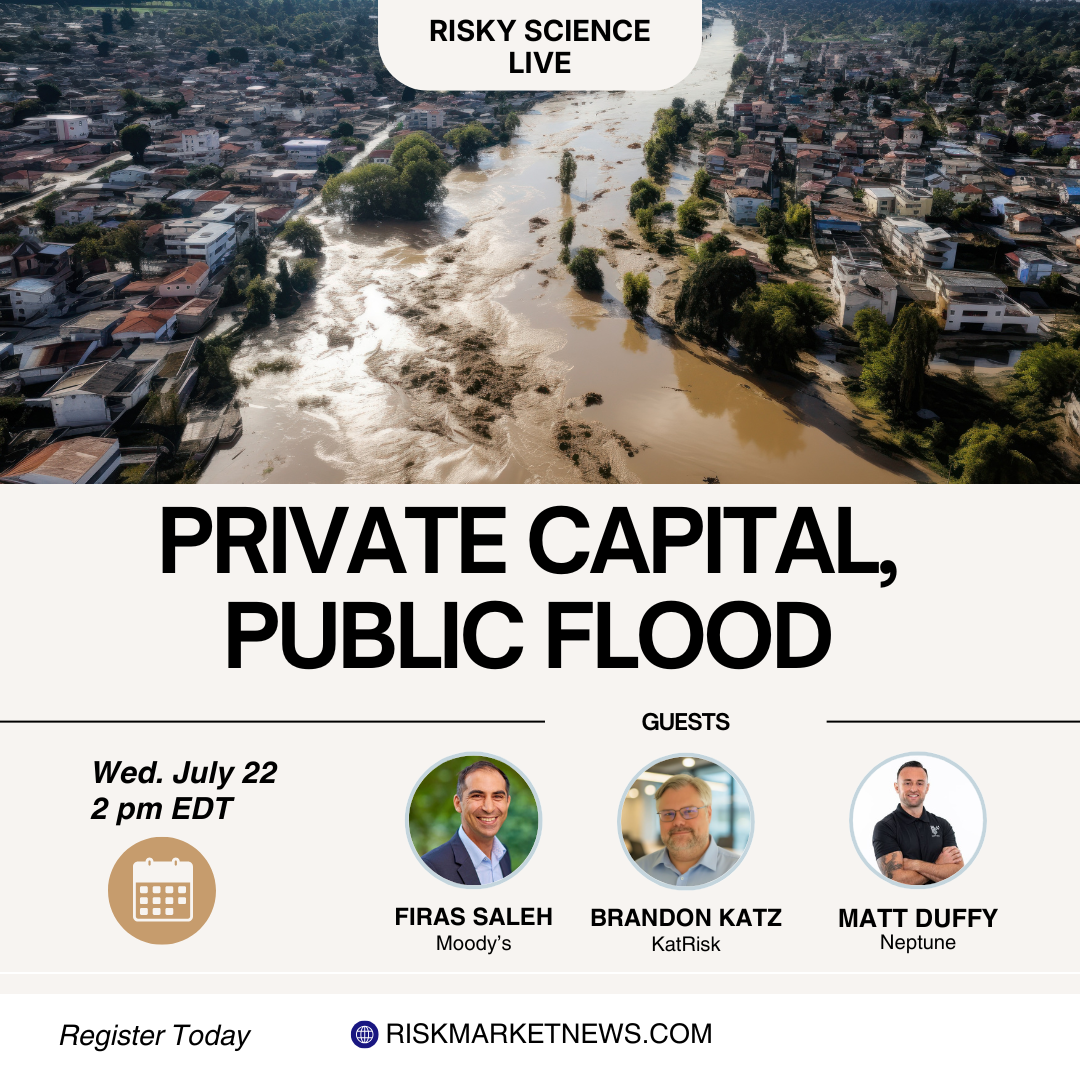
Risk Rating 2.0 Flunks Math Test As New Research Argues for Return of a Federal Flood Subsidy
The most praised flood insurance reform in 50 years may have made things worse: new research finds the optimal NFIP subsidy is 52 percent, almost exactly what Risk Rating 2.0 dismantled.
"Silent AI" Is the Next Silent Cyber Problem for Insurers, Regulators Warn
Anthropic’s recent releases, including Claude Mythos, have turbocharged this risk, according to international regulators.
The $27 Billion Question Beneath Venezuela's Earthquake
Venezuela's earthquake tore through the same coastal corridor Washington needs for its oil revival and exposed a risk-transfer vacuum no market can currently price.
California's Insurance Race Is Quietly an Election About Everything
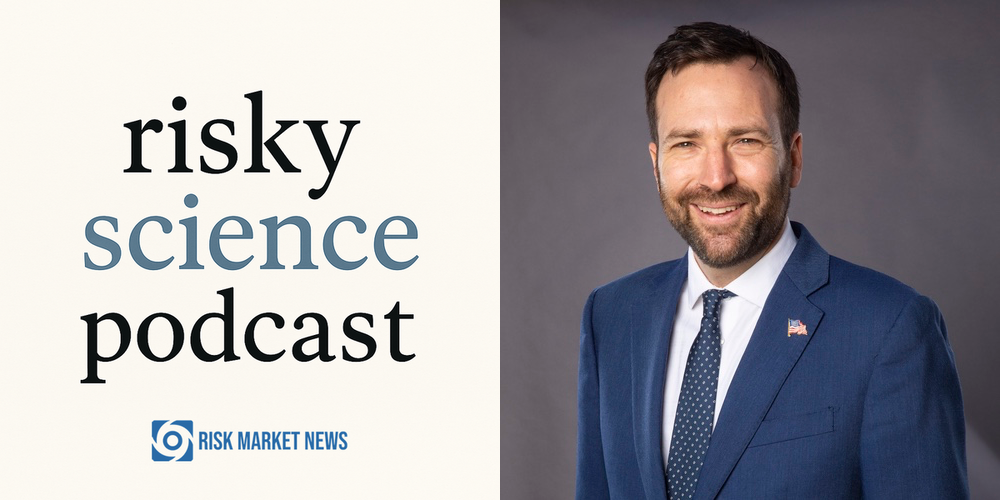
California's home insurance market has become the country's clearest test case for what happens when physical risk, political pressure, and hot capital markets all collide.
In this week's Risky Science Podcast, we sit down with California State Senator Ben Allen, the Democratic candidate for California Insurance Commissioner.
As is often the case, the Golden State is at the forefront of broader trends reshaping U.S. and global risk markets: exponentially increasing climate-driven physical risk (in this case, wildfire losses often tied to an aging and vulnerable energy infrastructure); skyrocketing home insurance costs that are pushing consumers to the financial breaking point; and an AI data center boom that is intertwined with all of those risks.
The core tension, as Allen puts it, is simple: "Risk doesn't disappear—it gets allocated." The question is where it ultimately lands: on insurers, utilities, ratepayers, or taxpayers.
The conversation covers a lot of ground. Allen lays out his support for allowing insurers to include reinsurance costs in rate filings, along with the oversight he believes should accompany that change, including competitive placement, panel diversification, and benchmarking.
He also dives into California's new public catastrophe model and what happens when its results differ from the commercial models that reinsurers already use to price risk. There's also a candid discussion of the FAIR Plan—its origins in 1968, its enrollment growth of more than 400%, and why Allen believes its current trajectory is unsustainable.
We also discuss how utility wildfire liability under AB 1054 interacts—or doesn't—with the way homeowners insurers price ignition risk, an area Allen knows well as chair of the California Senate Energy, Utilities and Communications Committee.
Along the way, Allen offers a pointed critique of his general-election opponent's proposed disaster fund, discusses a state-backed reinsurance concept modeled loosely on Florida's approach, and outlines how he would measure success during a first term—not through political talking points, but through metrics such as admitted-carrier participation, reinsurance panel depth, and rate-review timelines.
It's a worthwhile conversation for anyone trying to understand where California's insurance market goes from here—and what it signals for capital allocation decisions well beyond the state's borders.
Two quick notes:
- Jane Kim, Sen. Allen's opponent in the California Insurance Commissioner race, is scheduled to appear on the Risky Science Podcast later this month.
- The video version of Risky Science is now live on YouTube. Subscribe there if you'd rather watch than listen.